Blog

Discover how Artificial Intelligence for IT Operations (AIOps) transforms complex infrastructure management by turning overwhelming telemetry data into actionable intelligence. Explore essential training, tools, platforms, and implementation strategies to build resilient, automated IT workflows.
Read More
XOps unites DevOps, DataOps, MLOps, and SecOps under an umbrella framework to streamline modern IT operations. Platforms like XOpsSchool offer essential training, tutorials, and courses to help professionals master these connected disciplines.
Read More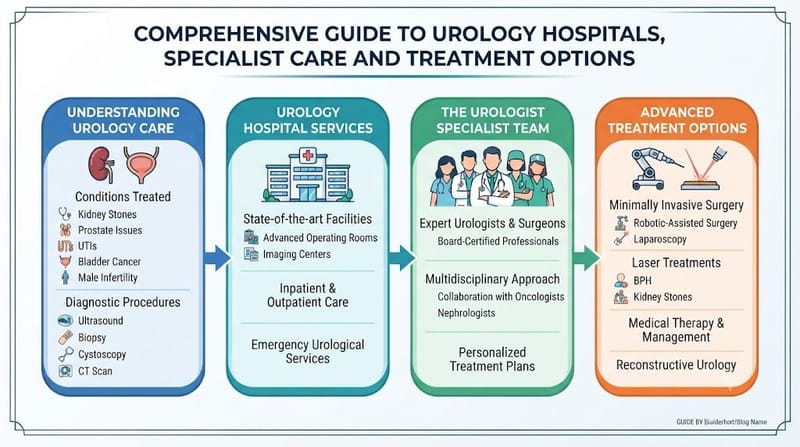
Navigating urological health concerns often begins with finding reliable information about available healthcare providers, specialist evaluations, and treatment options. When individuals experience urinary tract symptoms, kidney issues, or reproductive health concerns, understanding the scope of available medical care becomes an essential step. UrologyHospitals.com serves as a centralized resource for patients seeking to understand urology hospitals, specialist care, and the wide range of medical and surgical interventions required for various conditions. Accessing appropriate care involves recognizing symptoms early, consulting qualified urology specialists, and evaluating hospital infrastructure equipped for both routine diagnostic evaluations and advanced procedures.Understanding Urological Healthcare and Specialist FacilitiesUrology focuses on the diagnosis and treatment of conditions affecting the urinary tract in both men and women, as well as the male reproductive system. This medical specialty covers a broad spectrum of organs, including the kidneys, ureters, bladder, urethra, and male pelvic organs such as the prostate, testes, and penis.Specialized facilities dedicated to this field play a vital role in patient outcomes. Urology hospitals are equipped with advanced diagnostic imaging, endoscopic technology, and specialized surgical suites. These centers bring together multidisciplinary teams—including urologists, uro-gynecologists, urologic oncologists, and specialized nursing staff—to deliver coordinated care. Whether a patient requires management for a common urinary infection or complex surgical reconstruction, specialized facilities provide the infrastructure necessary for accurate diagnosis and evidence-based treatment.Common Symptoms and Warning SignsUrological conditions manifest through a variety of symptoms. While some signs are mild and temporary, others indicate underlying medical issues requiring professional evaluation. Recognizing these indicators helps patients seek timely medical advice.Pain or Discomfort: Discomfort in the lower back, flank, abdomen, or pelvic region.Changes in Urination: Increased frequency, sudden urgency, or difficulty initiating urination.Abnormal Urine Characteristics: Visible blood in the urine (hematuria), cloudy urine, or strong, persistent odors.Painful Urination: A burning or stinging sensation during urination (dysuria).Incontinence: Accidental leakage of urine or difficulty controlling bladder function.Obstructive Symptoms: A weak urinary stream, straining to urinate, or the feeling of incomplete bladder emptying.These symptoms do not automatically confirm a specific diagnosis, as similar signs can arise from multiple distinct conditions. A thorough evaluation by a qualified healthcare professional is necessary to identify the root cause.Causes and Risk FactorsThe development of urological disorders involves a combination of anatomical, genetic, lifestyle, and environmental factors. Understanding these influences helps in both prevention and early management.Age-Related Changes: Conditions such as prostate enlargement and reduced bladder elasticity become more common as individuals age.Genetics and Family History: A family history of kidney stones, prostate cancer, or other hereditary urological disorders increases individual risk.Lifestyle and Dietary Habits: Inadequate fluid intake, high sodium consumption, and diets high in oxalate can contribute to kidney stone formation. Smoking is a significant risk factor for bladder and kidney cancers.Underlying Medical Conditions: Chronic illnesses such as diabetes, hypertension, and neurological disorders frequently impact urinary tract function.Anatomical Variations: Structural abnormalities present from birth or developed over time can obstruct urine flow or predispose individuals to recurrent infections.Diagnosis and Medical EvaluationAccurate diagnosis forms the foundation of effective urology treatment. Urologists utilize a combination of clinical assessments, laboratory tests, and imaging studies to understand the patient's condition.Medical History and Physical Examination: Reviewing symptoms, past medical history, and conducting targeted physical assessments, including digital rectal examinations when appropriate.Laboratory Testing: Urinalysis and urine cultures to detect infection, blood in the urine, or markers of kidney function. Blood tests may include serum creatinine, glomerular filtration rate (GFR), and prostate-specific antigen (PSA) levels.Imaging Studies: Diagnostic imaging such as renal ultrasounds, computed tomography (CT) scans, and magnetic resonance imaging (MRI) to visualize the kidneys, bladder, and surrounding structures.Cystoscopy: A procedure allowing the urologist to examine the lining of the bladder and urethra using a thin, lighted scope.Urodynamic Testing: Assessments that measure how well the bladder stores and releases urine, helping diagnose voiding dysfunctions.Urology Treatment OptionsTherapeutic approaches vary widely depending on the specific condition, its severity, overall health, and patient preferences. Modern medical practice emphasizes personalized care plans that balance efficacy with patient comfort.Conservative Management and Observation: Active surveillance or watchful waiting for slow-progressing conditions, combined with regular monitoring.Medical Therapy: Prescription medications aimed at managing symptoms, reducing inflammation, dissolving specific types of stones, or treating infections.Minimally Invasive Procedures: Interventions utilizing natural orifices or small incisions to treat blockages, stones, or tumors with reduced recovery times.Surgical Interventions: Open or laparoscopic procedures designed to repair anatomical defects, remove diseased tissue, or reconstruct urinary structures.Advanced Technological Approaches: Precision-guided therapies and robotic-assisted surgeries utilized for complex anatomical locations.Role of Urology Specialists in Diagnosis and TreatmentUrology specialists undergo extensive training to manage disorders of the urinary tract and male reproductive system. Their role extends across the entire patient journey, from initial diagnostic workups to complex surgical interventions and long-term follow-up care.Specialist evaluation ensures that complex or persistent symptoms receive targeted attention. Urologists work closely with radiologists, oncologists, nephrologists, and primary care physicians to coordinate comprehensive care plans. By staying current with clinical guidelines and technological advancements, specialists help patients navigate treatment choices, manage chronic conditions, and understand what to expect during recovery.Kidney Stone TreatmentKidney stones are hard mineral and salt deposits that form inside the kidneys and can cause severe pain as they travel through the urinary tract.Management strategies depend on the size, composition, and location of the stone. Small stones often pass naturally with increased fluid intake and pain management. When intervention is necessary, medical professionals utilize several approaches:Shock Wave Lithotripsy (SWL): A non-invasive procedure using high-energy shock waves to break stones into smaller fragments that pass through urine.Ureteroscopy: An endoscopic procedure where a thin scope is guided through the urinary tract to locate and fragment or remove stones.Percutaneous Nephrolithotomy (PCNL): A minimally invasive surgical procedure used for larger or more complex stones, involving a small incision in the back to access and remove the stone directly.Prevention guidance, including dietary modifications and adequate hydration, forms an integral part of ongoing care.Prostate Cancer TreatmentProstate cancer is one of the most common malignancies in men. Management requires careful staging and risk stratification, taking into account the cancer grade, stage, patient age, and overall health status.Active Surveillance: Regular monitoring of low-risk, slow-growing tumors without immediate intervention, reserving treatment for signs of progression.Surgical Options: Radical prostatectomy, which involves the surgical removal of the prostate gland and surrounding tissues.Radiation Therapy: External beam radiation or brachytherapy (internal seed radiation) directed at destroying cancer cells while preserving surrounding healthy tissue.Systemic Therapies: Hormone therapy, chemotherapy, or targeted treatments utilized in advanced or recurrent cases.Treatment decisions are individualized, balancing cancer control with the preservation of urinary and sexual function.Enlarged Prostate TreatmentBenign prostatic hyperplasia (BPH), commonly known as an enlarged prostate, involves the non-cancerous growth of the prostate gland, which can obstruct urine flow.Management ranges from lifestyle adjustments and regular monitoring to medications that relax prostate muscles or shrink the gland. When medical therapy is insufficient, minimally invasive procedures or surgical options—such as transurethral resection of the prostate (TURP)—may be recommended to relieve urinary symptoms and improve bladder emptying.Urinary Tract Infection TreatmentUrinary tract infections (UTIs) occur when bacteria enter the urinary system, leading to inflammation and discomfort.Diagnosis is typically confirmed through urinalysis and culture tests. General management involves appropriate antimicrobial therapy prescribed by a healthcare professional to clear the infection. For individuals experiencing recurrent UTIs, specialists investigate underlying anatomical or functional causes to develop long-term preventive strategies.Bladder Cancer TreatmentBladder cancer begins in the cells of the bladder lining and requires comprehensive evaluation through cystoscopy, biopsy, and imaging.Therapeutic approaches vary based on whether the cancer is non-muscle-invasive or muscle-invasive. Options may include transurethral resection of bladder tumor (TURBT), intravesical therapy (medications delivered directly into the bladder), partial or radical cystectomy, and systemic treatments such as chemotherapy or immunotherapy. Follow-up monitoring is essential to detect recurrence early.Robotic Urology SurgeryRobotic-assisted surgery represents an advanced technological evolution in urological procedures. In this approach, the urologist sits at a console, controlling high-resolution 3D visualization instruments and robotic arms that translate hand movements with enhanced precision and range of motion.This technique is frequently utilized in complex procedures such as radical prostatectomies, partial nephrectomies, and reconstructive surgeries. While robotic-assisted systems offer advantages such as smaller incisions, reduced blood loss, and shorter recovery times, the success of the procedure ultimately depends on the training, experience, and skill of the surgical team.Treatment Option ComparisonTreatment ApproachCommon Clinical ApplicationPotential BenefitsImportant ConsiderationsConservative ObservationAsymptomatic stones, low-risk prostate cancer, mild BPHAvoids procedural risks; preserves normal functionRequires regular monitoring; may not halt disease progressionMinimally Invasive ProceduresKidney stones, localized blockages, early-stage tumorsSmaller incisions; shorter hospital stays; faster recoveryMay require repeat interventions depending on the conditionSurgical ResectionAdvanced stones, significant prostate enlargement, malignanciesDirect removal of diseased tissue; definitive treatment for localized diseaseInvolves surgical recovery period and potential procedure-specific risksChoosing the Right Urology HospitalSelecting an appropriate healthcare facility involves evaluating several key factors to ensure high standards of care and patient safety.Specialist Expertise: Availability of board-certified urologists and multidisciplinary teams experienced in specific conditions.Diagnostic Infrastructure: Access to advanced imaging, urodynamic testing, and on-site laboratory services.Surgical Capabilities: Availability of modern operating suites, minimally invasive equipment, and robotic-assisted surgical technology.Quality and Safety Standards: Adherence to rigorous infection-control protocols, hospital accreditations, and transparent clinical governance.Comprehensive Support Services: Patient education, nursing support, and coordinated follow-up care pathways.Finding a Urologist Near YouLocating a qualified specialist involves researching practitioners who match specific healthcare needs. Patients can consider factors such as board certification, sub-specialty expertise (such as urologic oncology or reconstructive urology), hospital affiliations, and communication style. Seeking a second opinion is often beneficial when facing major treatment decisions, ensuring confidence in the recommended care plan.Questions to Ask a UrologistPreparing questions for a medical consultation helps patients engage actively in their care decisions:What is the specific diagnosis, and what caused this condition?What further diagnostic tests are necessary?What are the available treatment options, including non-surgical approaches?What are the potential benefits and risks associated with each treatment option?What can I expect during the recovery process?How will this condition or treatment affect my daily life and long-term health?What follow-up schedule will be required?When to Seek Medical AttentionCertain symptoms require prompt or urgent medical evaluation. Patients should seek immediate medical care if they experience:Complete inability to urinate (acute urinary retention).Severe, sudden flank or abdominal pain accompanied by nausea and vomiting.High fever and chills occurring alongside urinary symptoms.Significant, visible bleeding in the urine accompanied by clots.Practical Tips for Preparing for a Urology ConsultationDocument Symptoms: Note when symptoms first appeared, how frequently they occur, and their severity.Compile Medication Lists: Bring a complete list of current prescription medications, over-the-counter drugs, and supplements.Gather Medical Records: Carry previous imaging reports, lab results, and notes from other healthcare providers.Write Down Questions: Prepare a list of questions to ensure all concerns are addressed during the appointment.Share Medical History: Be ready to discuss relevant past surgeries, chronic conditions, and family medical history.Common Challenges in Urological CareNavigating urological health can present several hurdles for patients. Delayed diagnosis often occurs when symptoms are mistaken for minor, temporary issues or when individuals hesitate to discuss sensitive urinary or reproductive concerns. Additionally, medical terminology can be complex, making it difficult for patients to compare treatment options or understand diagnostic reports. Choosing the right specialist and coordinating multi-step treatment plans also require access to clear, reliable information and structured guidance.Best Practices for PatientsDo Not Ignore Persistent Symptoms: Address ongoing changes in urinary habits or discomfort promptly rather than waiting for symptoms to worsen.Organize Health Records: Keep copies of test results, consultation notes, and treatment histories easily accessible.Follow Clinical Guidance: Adhere strictly to prescribed medication schedules and recommended diagnostic follow-ups.Seek Second Opinions: Consult additional specialists when evaluating major surgical interventions or complex treatment plans.Maintain Supportive Habits: Stay adequately hydrated and adopt balanced lifestyle habits suited to individual health recommendations.Frequently Asked QuestionsWhat conditions do urologists treat?Urologists diagnose and treat conditions affecting the urinary tract in men and women, including the kidneys, bladder, ureters, and urethra, as well as the male reproductive organs.When should someone consult a urologist?A consultation is recommended when experiencing persistent urinary symptoms, blood in the urine, recurrent infections, pelvic pain, or abnormal findings on routine lab or imaging tests.Is robotic surgery used for all urological conditions?No. Robotic-assisted surgery is primarily utilized for specific complex procedures, such as radical prostatectomies or partial nephrectomies, where precision is paramount. The choice of surgical approach depends entirely on individual clinical needs.How are kidney stones managed?Management varies from increased fluid intake and medication for small stones to shock wave lithotripsy, ureteroscopy, or surgical removal for larger, complex stones.What is the difference between an enlarged prostate and prostate cancer?An enlarged prostate (BPH) is a non-cancerous growth of the gland causing urinary obstruction, whereas prostate cancer involves malignant cell growth within the prostate tissue. They are distinct medical conditions.Can urinary tract infections resolve without treatment?While mild symptoms may occasionally subside, UTIs generally require professional medical evaluation and appropriate antimicrobial therapy to prevent complications or recurrence.What should I bring to my first urology appointment?Patients should bring a list of symptoms, current medications, previous medical records, imaging reports, and any questions they wish to discuss with the specialist.Why is follow-up care important in urology?Follow-up evaluations allow specialists to monitor treatment effectiveness, assess healing after procedures, detect any recurrence of conditions early, and adjust care plans as needed.ConclusionManaging urological health requires a structured approach centered on accurate diagnosis, informed decision-making, and expert medical care. Understanding conditions affecting the kidneys, bladder, and prostate—along with available medical and surgical treatments—empowers patients to take an active role in their healthcare journey. Collaborating with qualified urology specialists and selecting appropriate treatment facilities ensures that care aligns with individual health needs. Anyone experiencing persistent, severe, or concerning urological symptoms should consult a qualified healthcare professional for a thorough evaluation and personalized guidance.
Read More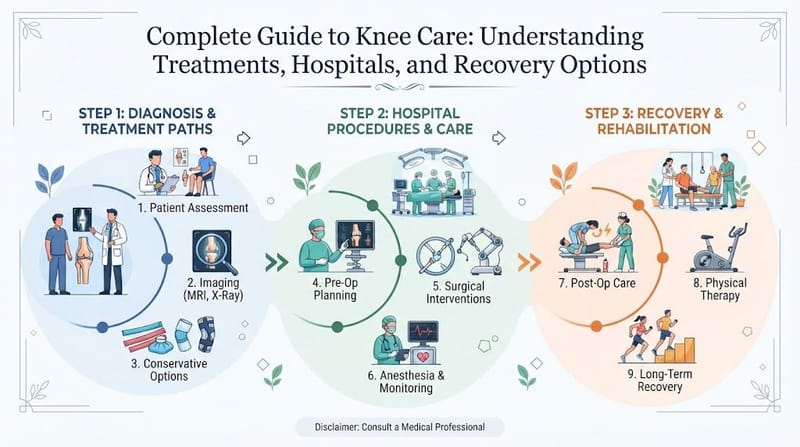
Discover trusted orthopedic specialists, advanced treatment options, and leading hospitals for knee care through KneeHospitals.com. Research surgical procedures, compare medical travel destinations, and plan your journey toward better joint mobility with expert-backed guidance.
Read More
Discover the best events, live music, comedy shows, and weekend activities in the city with KolkataOrbit, your ultimate local event discovery and ticketing platform. Stay updated on everything happening today and plan your next great experience effortlessly.
Read More
This complete professional SEO article for DesiNRI.com guides Indian applicants through visa requirements, permanent residency pathways, and overseas relocation. It serves as a practical, human-written information resource for studying, working, and building a life abroad.
Read More
The AiOps Certified Professional (AIOCP) program validates your ability to apply artificial intelligence and machine learning to modern IT operations. Hosted on Devosschool.com, this hands-on certification equips engineers with the skills to automate incident response, eliminate alert fatigue, and build self-healing infrastructure.
Read More
Cotocus.in offers expert technology services, including AI software development, cloud migration, DevOps, and custom solutions to help businesses scale and modernize. Through specialized development and team training, the company empowers organizations to build reliable, high-performing digital products for future growth.
Read More
Discover how professional DevOps, cloud migration, and SRE consulting services help growing businesses streamline software delivery and secure their cloud infrastructure. Learn how Cotocus empowers engineering teams with modern automation, Kubernetes management, and tailored technology solutions.
Read More
Cotocus helps startups and enterprises design, build, and scale intelligent software platforms through expert AI development, cloud consulting, and DevOps engineering. By combining custom product engineering with robust reliability practices, we transform complex technology challenges into seamless, high-performance digital solutions. Partner with our team to accelerate your digital transformation and drive sustainable, long-term business growth.
Read More
This comprehensive guide explores how businesses can build, maintain, and grow their online presence using professional website development, CMS solutions, and digital growth services from cmsGalaxy. It highlights the importance of reliable maintenance, SEO, link building, and choosing the right partner for long-term digital success.
Read More
Master modern cloud operations, infrastructure management, and automation with this practical guide designed for engineers and IT leaders.
Read More